How to Challenge a Gifted Student in High School
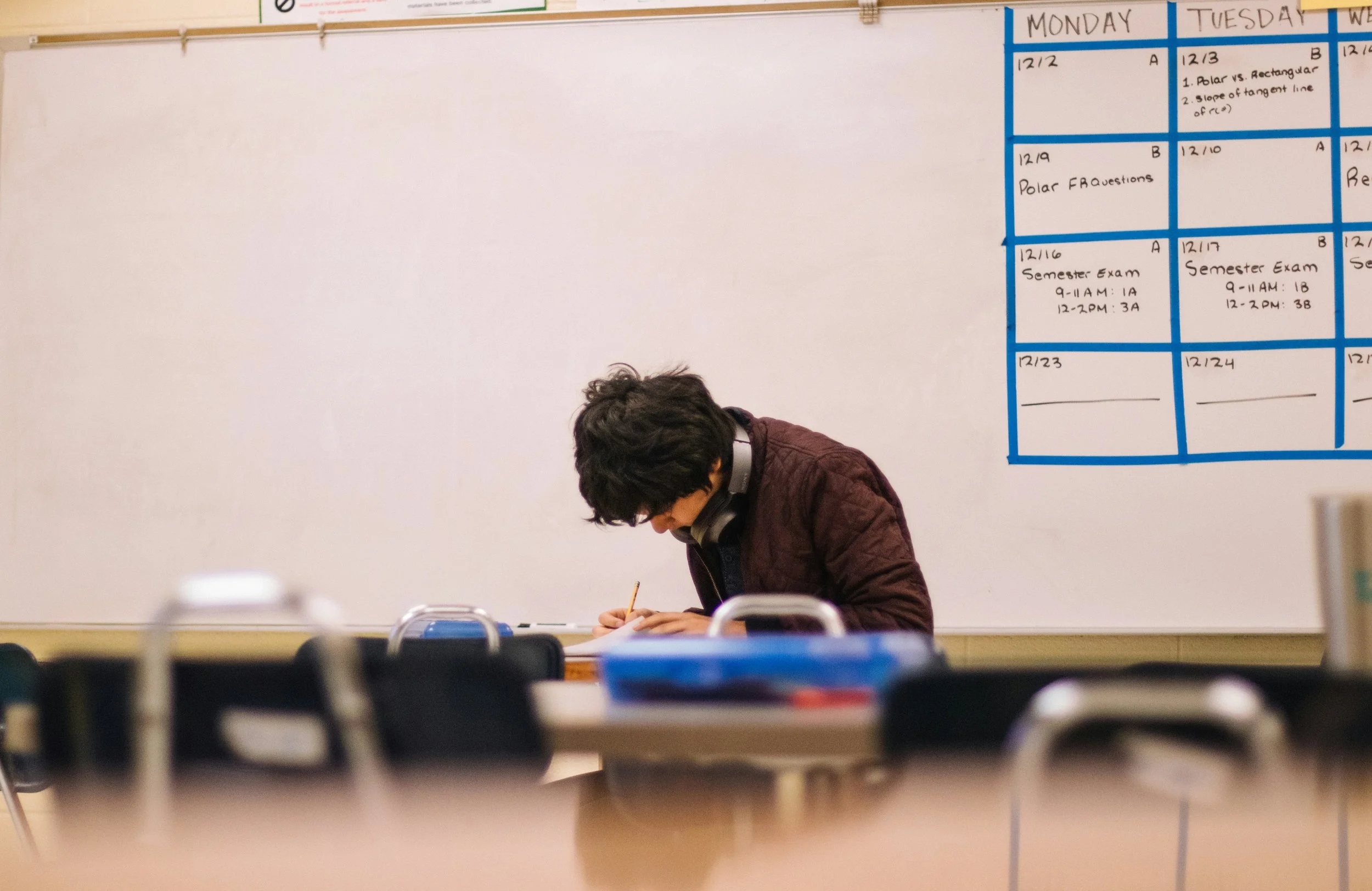
Gifted students often face a unique challenge in high school—not because the material is too difficult, but because it isn’t challenging enough.
Many advanced students quickly master grade-level content and begin to feel bored, disengaged, or under-stimulated in traditional classrooms.
Why Gifted Students Lose Motivation
In most traditional school environments, teaching is designed for the average student. As a result, gifted students often experience:
Slow-paced or repetitive lessons
Limited academic depth
Few opportunities to move beyond grade-level material
Over time, this lack of challenge can lead to frustration, loss of motivation, and even declining performance.
What Gifted Students Actually Need
Challenging a gifted student is not about giving more work—it’s about providing the right kind of work.
Gifted students need:
Acceleration (moving at a faster pace)
Depth (going deeper into subjects)
Flexibility (learning based on ability, not grade level)
Structure (guidance, not isolation)
Without this balance, even highly capable students can stop progressing.
A Better Way to Support Advanced Students
The best approach combines flexibility with structure.
Students should be able to move ahead when they are ready—but also be supported through live instruction, teacher feedback, and clear expectations.
Fully self-paced programs often lack accountability, while rigid systems limit growth. The right environment provides both freedom and support.
SIS is a private school for gifted students who need more challenge while staying fully supported.
Final Thoughts
When gifted students are properly challenged, they stay engaged, motivated, and continue to grow.
The right environment doesn’t just help students perform—it helps them reach their full potential.
SIS is a private school for gifted students who need more challenge while staying fully supported. Learn more about our Advanced & Gifted Students programNot sure what your child needs?
We’ll help you find the right path.